
Zones of Regulation
Zones of Regulation
We launched the ‘Zones of Regulation’ across the school in April 2022. We hope that this will help our children to learn how to manage their difficult emotions.
What are the Zones of Regulation?
The Zones of Regulation is an internationally-renowned intervention which helps children to manage difficult emotions, known as ‘self-regulation’.
Self-regulation can go by many names such as ‘self-control’, ‘impulse management’ and ‘self-management’. Self-regulation is best described as the best state of alertness for a situation. For example, when your child takes part in a sports game, they would need to have a higher state of alertness than when, for example, they were working in a library.
From time to time, all of us (including adults) find it hard to manage strong feelings such as worry, anger, restlessness, fear or tiredness, and this stops us from getting on with our day effectively. Children who feel these emotions often find it hard to learn and concentrate in school. The Zones of Regulation aims to teach children strategies to help them cope with these feelings so they can get back to feeling calm and ready to learn. These coping strategies are called ‘self-regulation’.
At Waddesdon Village Primary School, we have launched the Zones of Regulation throughout the whole school. We want to teach all of our children good coping and regulation strategies so they can help themselves when they experience anxiety and stress. In the classroom, sometimes children panic when faced with a tricky learning problem or challenge. By teaching them how to cope with these feelings, we might make them better at tackling learning challenges and build better resilience so they don’t give up so easily when faced with difficulty.
We aim to help children to:
- Recognise when they are in the different Zones and learn how to change or stay in the Zone they are in.
- Increase their emotional vocabulary so they can explain how they are feeling.
- Recognise when other people are in different Zones, thus developing better empathy.
- Develop an insight into what might make them move into the different Zones.
- Understand that emotions, sensory experiences such as lack of sleep or hunger and their environment might influence which Zone they are in.
- Develop problem-solving skills and resilience.
- Identify a range of calming and alerting strategies that support them (known as their personal ‘toolkit’.)
What are the different Zones?
Blue Zone: low level of arousal; not ready to learn; feels sad, sick, tired, bored, moving slowly.
Green Zone: calm state of alertness; optimal level to learn; feels happy, calm, feeling okay, focused.
Yellow Zone: heightened state of alertness; elevated emotions; has some control; feels frustrated, worried, silly/wiggly, excited, loss of some control.
Red Zone: heightened state of alertness and intense emotions; not an optimal level for learning; out of control; feels mad/angry, terrified, yelling/hitting, elated, out of control.
We teach the children that everyone experiences all of the Zones. The Red and Yellow zones are not ‘bad’ or ‘naughty’ Zones. All of the Zones are expected at one time or another. We will show them that the Blue Zone, for example, is helpful when you are trying to fall asleep.
How will my child learn about the Zones of Regulation?
We will be introducing the Zones through discrete teaching lessons and through our PSHE curriculum. We will also be using the Zones language as part of daily school life so all staff will be referring to them, not just their class teacher.
Some children might prefer not to use the ‘Zones language’ but label the emotions directly – this is fine and encouraged!
How can you help your child use The Zones of Regulation at home?
- Identify your own feelings using Zones language in front of your child (e.g.: I’m frustrated. I think I am in the Yellow Zone.”)
- Talk about what tool you will use to be in the appropriate Zone (e.g.: “I need to take four deep breaths to help get me back to the Green Zone.”)
- At times, wonder which Zone your child is in. Or, discuss which Zone a character in a film / book might be in. (e.g.: “You look sleepy. Are you in the Blue Zone?”)
- Engage your child in discussion around Zones when they are in the Red Zone is unlikely to be effective. You need to be discussing the different Zones and tools they can use when they are more regulated / calm.
- Teach your child which tools they can you. (eg: “It’s time for bed. Let’s read a book together in the comfy chair to get you in the Blue Zone.”)
- Regular Check-ins. “How are you feeling now?” and “How can you get back to Green?”
- Modelling It is important to remember to show the children how you use tools to get back to the green zones. You might say “I am going to make myself a cup of tea and do some breathing exercises because I am in the blue zone” and afterwards tell your child how using those tools helped you get back to the green zone.
- Share how their behaviour is affecting your Zone. For example, if they are in the Green Zone, you could comment that their behaviour is also helping you feel happy / go into the Green Zone.
- Put up and reference the Zones visuals and tools in your home.
- Praise and encourage your child when they share which Zone they are in.
Tips for practicing the Zones of Regulation
- Know yourself and how you react in difficult situations before dealing with your child’s behaviours.
- Know your child’s sensory threshold. We all process sensory information differently and it impacts our reactivity to situations.
- Know your child’s triggers.
- Be consistent in managing your child’s behaviour and use the same language you use at home.
- Empathise with your child and validate what they are feeling.
- Have clear boundaries/routines and always follow through.
- Do not deal with an angry, upset child when you are not yet calm yourself.
- Discuss strategies for the next time when you are in a similar situation.
- Remember to ask your child how their choices made you feel (empathy).
- Praise your child for using strategies. Encourage your child to take a sensory break to help regulate their bodies.
- Create a ‘calm’ box full of things which help to keep your child calm and alert.
Calming Cat and Calming Kittens
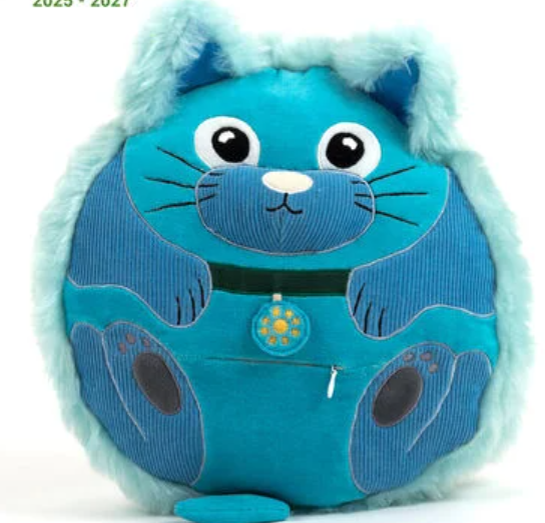
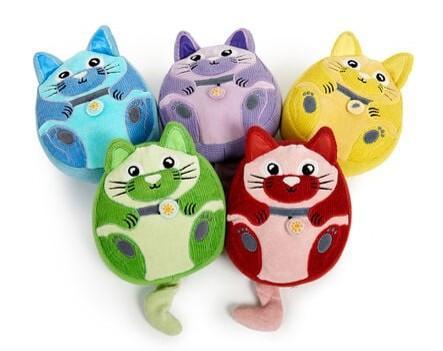
This year we are launching Calming Cat in KS2 after a successful start with Calming Kittens in KS1 last year.
They teach us different strategies to help regulate our emotions.
We have also set up Rest and Reset Zones in all classrooms and across the school to help soothe and calm.
Why not try making your own Self-Soothe Box at home: